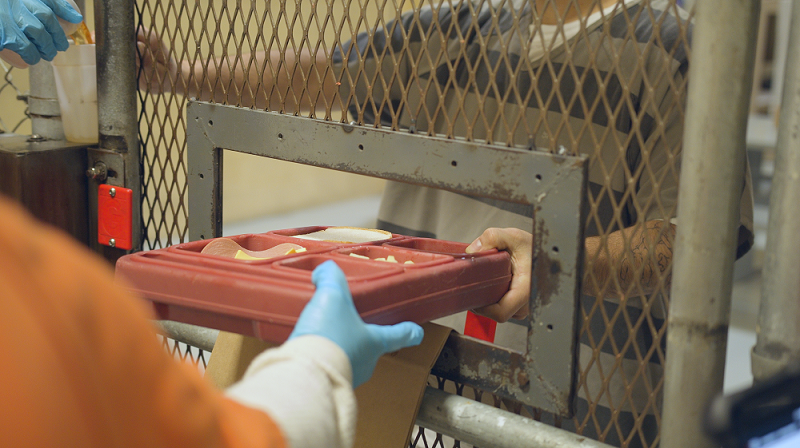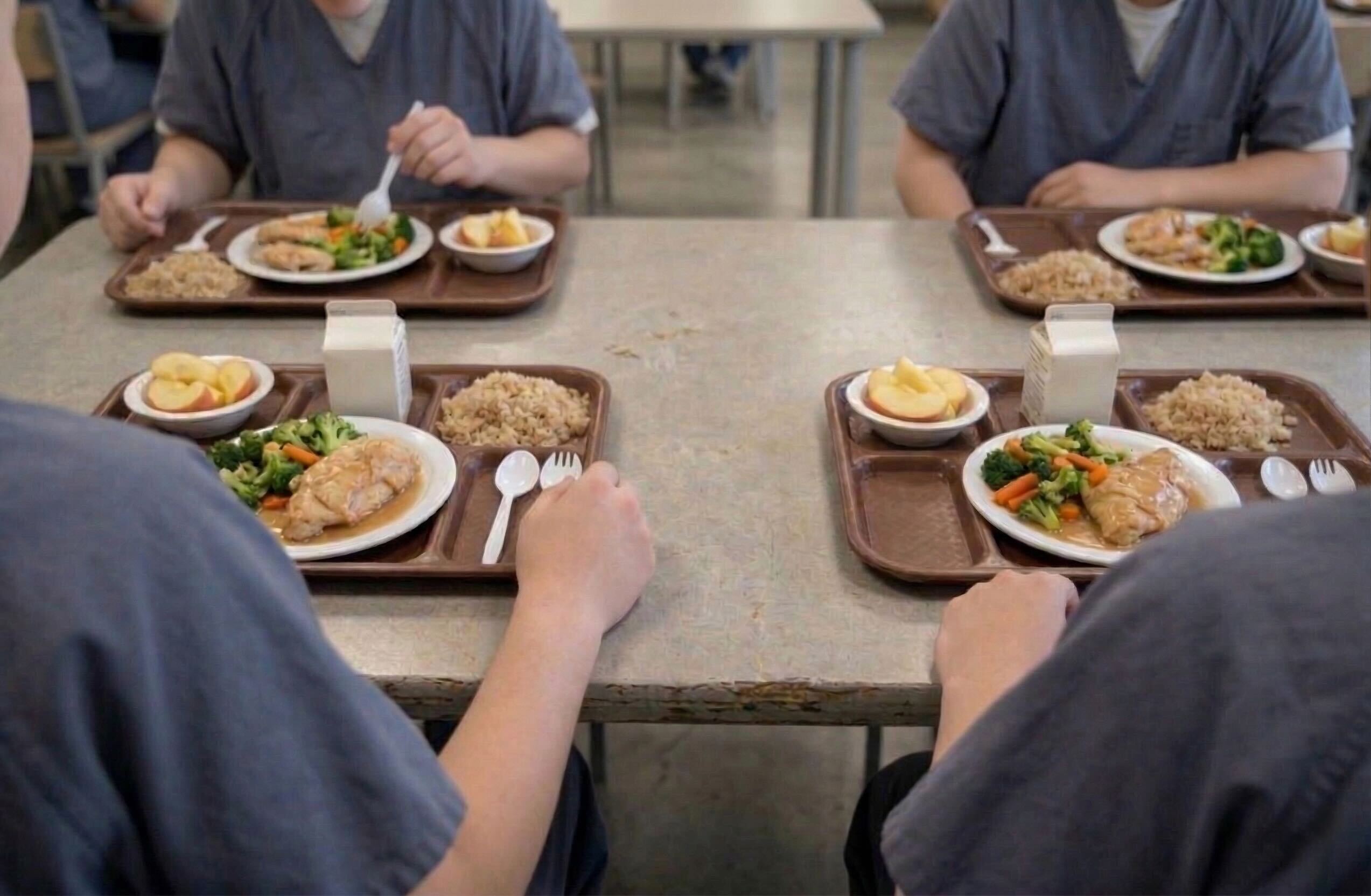
Providing quality meals to youth in juvenile detention centers is a critical responsibility. It goes beyond basic nutrition; it’s a fundamental human right. But meal pass isn’t just about what’s on the tray. Behind the scenes, every meal served is a key data point tied directly to facility safety, regulatory compliance, and essential funding.
Despite these high stakes, many facilities still rely on fragmented data and outdated tools to manage their meals. These inefficiencies are more than just inconvenient—they create real risk. When meal tracking falls short, the consequences are serious: missed dietary or allergy restrictions, skipped meals or double-traying, and thousands of dollars left on the table in unclaimed USDA reimbursements.
It’s time to move beyond the clipboard.
In this blog, we’ll explore how to modernize your meal passes to ensure every meal is accurately accounted for, every restriction is honored, and every reimbursement dollar is secured.
What Are the Biggest Challenges with Meal Tracking in Juvenile Facilities?
Meal passing requires more effort than just blindly handing out trays. It requires precision, preparation, and documentation. So, before a single tray leaves the kitchen, facilities must secure funding, forecast exact headcounts, and prepare specific meals that accommodate diet restrictions.
Knowing how many mouths to feed is only the beginning. Accounting for severe allergies, religious restrictions, and specialized diets adds layers of complexity. And when managing dozens or hundreds of juveniles, keeping track of these details on paper is difficult and a significant liability.
Some of the biggest challenges juvenile facilities face when tracking meals manually include:
1. Missing USDA Reimbursement Dollars
In juvenile detention centers, meticulous meal tracking is non-negotiable—not just for compliance, but to secure critical USDA reimbursement dollars. Yet in fast-paced environments like juvenile detention centers, manual, paper-based systems make accurate reporting nearly impossible. Human error and inconsistent processes often lead to meals being underreported or misreported.
The cost of these inaccuracies is highly significant. Every missed or underreported meal translates directly into lost federal funding. When facilities rely on paper tracking, they are effectively leaving reimbursement dollars on the table every single shift.
2. Mishandling Refusals and Special Statuses
Staff must have accurate, real-time visibility into dietary restrictions and meal refusals to ensure safe and compliant meal service. When teams rely on paper-based tracking, human error becomes inevitable—leading to missed details, incorrect meal distribution, and an inability to identify patterns like repeated refusals.
These gaps make it difficult for staff to consistently meet individual needs. Inaccurate or incomplete records result in policy violations, increased refusals, grievances, and inadequate preparation of specialized meals. They also weaken a facility’s defensibility during audits or incidents, ultimately increasing risk and liability for both the juveniles and the agency.
3. Wasting Critical Staff Time
Frontline officers should be focused on the care and rehabilitation of juveniles—not stuck behind a desk managing paperwork. Manual meal tracking systems force staff to spend hours collating data, deciphering handwriting, and completing end-of-shift forms. These inefficient processes pull attention away from where it matters most: the floor.
The impact is more than just lost time. Administrative burdens actively distract staff from their primary mission of maintaining a safe, structured, and rehabilitative environment. As a result, both operational effectiveness and the quality of care can suffer.
While these challenges are significant, they aren't inevitable. To overcome the limitations of manual tracking and ensure every detail is accounted for, facilities need a specialized system built for the high-stakes environment of juvenile justice. By leveraging advanced tools equipped for juvenile detention centers, you can digitize meal tracking, eliminate human error, and get your team back to focusing on their core mission: the care and rehabilitation of youth in custody.
The Solution: Command Cloud Juvenile Justice Edition (JJE)
Modernizing your facility starts with choosing the right technology. Command Cloud Juvenile Justice Edition (JJE) is purpose-built to meet the unique demands of juvenile detention centers, streamlining the entire meal management process from planning to distribution to reporting.

Rather than relying on disconnected tools or manual processes, Command Cloud JJE brings everything into a single, comprehensive system:
- Mobile Command XR: The most widely used mobile juvenile tracking system in the U.S., supporting AI-powered security round compliance, juvenile tracking, and task management.
- Mission Command: This centralized hub provides juvenile detention officers with a unified, real-time view of facility operations, highlighting what they need to know and act upon through dynamic dashboards.
- Operational Intelligence (OI): The business intelligence layer that transforms raw data into dynamic graphs and charts, delivering actionable insights across all areas of facility management.
Together, these tools create a seamless workflow that improves accuracy, strengthens accountability, and ensures every juvenile meal is properly documented.
Streamline Meal Distribution
Like most responsibilities, staff don’t have all day to complete meals. In a juvenile detention center, meal pass demands both efficiency and accuracy. Command Cloud JJE simplifies the process by enabling real-time tracking and documentation during distribution with two main tools:
- Meals dashboard: The Meals dashboard is a feature within Mission Command that translates meal data captured by officers into detailed, actionable reports, providing a complete overview of all past, present, and upcoming inmate meal distribution.
- Meals module: The Meals module is a feature in Mobile Command XR that enables officers to accurately document key details about inmate meal passes right at the point of responsibility.
The workflow starts in Mission Command, where supervisors prepare for and start the meal passing process. Staff can view population count and identify dietary restrictions, ensuring the correct number and type of meals are prepared.
To start a formal meal, navigate to the Meals dashboard in Mission Command using the left-hand navigation bar. The default tab is “Current Meal,” where you can click the red “Start a Meal” button. When a meal starts, all officers receive a notification on their device, while system administrators can track real-time progress across locations through the Meals dashboard.
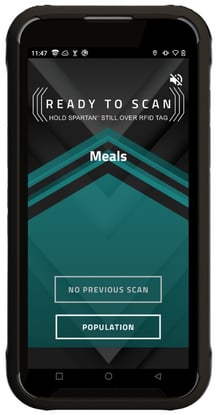 From there, officers use the Meals module via Mobile Command XR to execute the meal pass in real time. When a formal meal begins, officers receive an alert on their SPARTAN, which prompts them to open the Meals module.
As they move through their assigned area, they can:
-
-
-
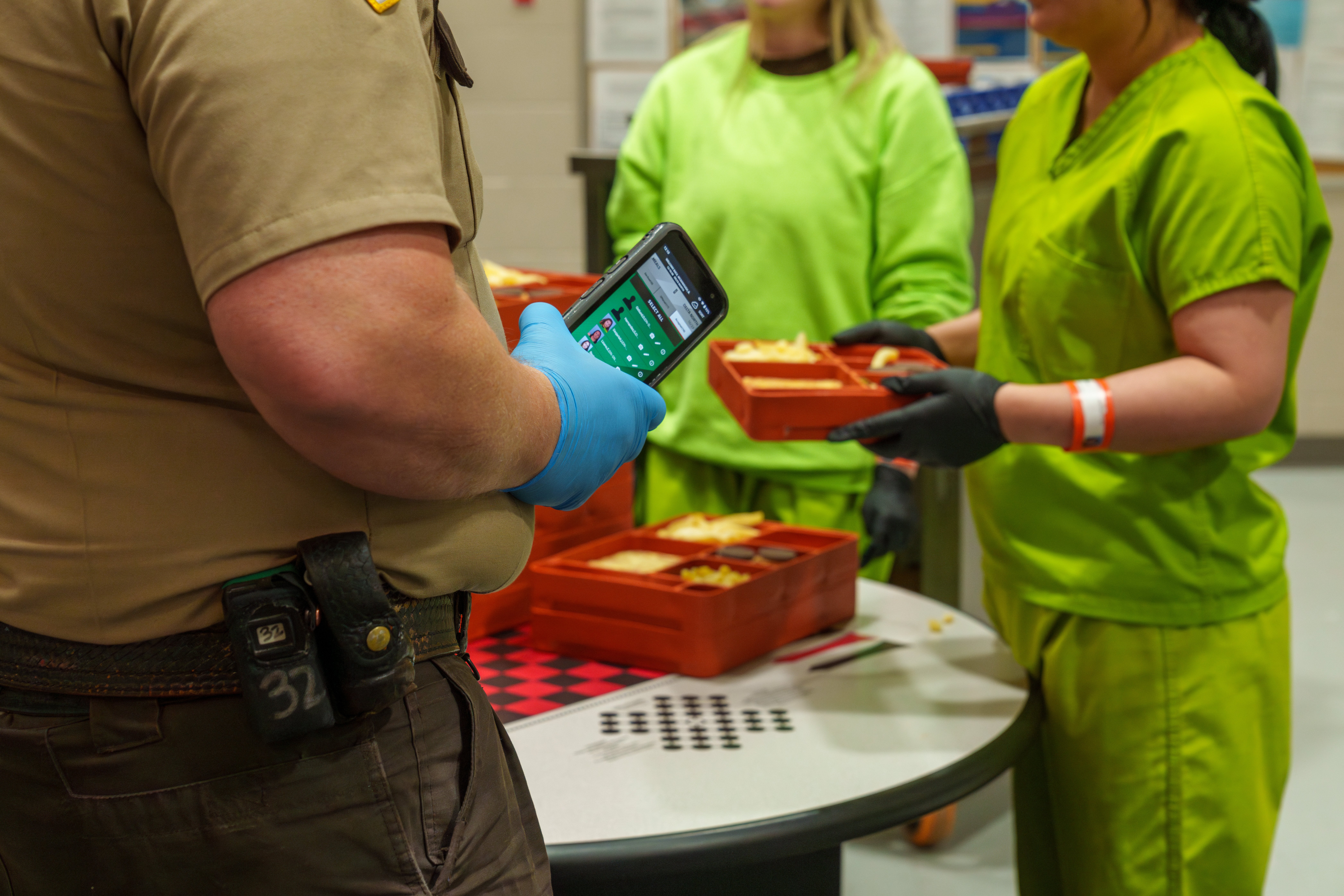
- Scan an individual youth’s ID (if your agency uses them) or manually select them from a list that displays all youths
-
-
- Record whether the meal was accepted, offered, or declined
- Add additional notes or capture digital evidence as needed
This process is designed to be fast and intuitive, allowing officers to move efficiently without disrupting the flow of meal service. Built-in safeguards also help prevent common issues. For example, if someone attempts to receive a second tray, the system automatically alerts the officer that a meal has already been recorded for that specific individual. This eliminates guesswork and reduces the risk of double-traying.
Once the meal pass is complete, all data is saved and instantly synced to the cloud, where it becomes visible in Mission Command. Supervisors can then monitor completion, identify any missed individuals, and review results in real time.
By capturing data at the point of responsibility, Command Cloud JJE removes the need for paper logs and other outdated tools. Instead, every action is time-stamped, verifiable, and immediately accessible. The result is a faster, more controlled meal process—one that keeps lines moving while maintaining the level of accuracy and accountability required in a secure environment.
Strengthen Compliance and Simplify USDA Reporting
In a high-risk environment, documentation isn’t optional. If it isn’t documented, it didn’t happen. But this documentation must be precise, accurate, and complete. Partially scribbled down notes saying “chow time done at 12” is not going to cut it. Command Cloud JJE replaces outdated systems and paper logs with a single, reliable source of truth, ensuring every meal is accounted for and verifiable.
Command Cloud JJE automatically captures detailed data throughout the entire meal process and turns it into dynamic, prebuilt reports and views. Every meal captured within Mobile Command XR syncs to the cloud and can be viewed within Mission Command’s Meals dashboard.

All logs and other meal-related data are accessible in Mission Command’s Meals dashboard, which is sortable by four tabs:
- Current Meals: Provides a real-time snapshot of all active meal passes, showing progress, missed inmates, acceptances, declines, and pending meals to ensure nothing is overlooked.
- Recent Meals: Displays the most recent meal data by type, giving staff quick insight into acceptances, declines, and patterns from the latest meal pass.
- Meals: Offers a complete historical record of all meals with filtering options that allow supervisors to review activity, verify records with media, and analyze data over specific timeframes.
- Meal Restrictions: Lists inmates with dietary needs by location, ensuring the correct meals are prepared and distributed while reducing the risk of errors or violations.
Each of these tabs can be filtered by date and sorted by any field to display as much or as little data as needed. They also function as exportable reports. This empowers administrators to easily:
- Track a specific individual’s meal participation over time
- View acceptance and refusal trends
- Generate reports by date, time, location, and meal type
When applying for reimbursement funding, there's a variety of information that an agency must provide, including compliance with meal requirements. Thus, this level of visibility not only strengthens compliance but also makes USDA reimbursement reporting significantly easier.
Instead of manually compiling data across systems, staff can generate accurate, audit-ready reports in minutes. What once took hours of sorting through and days worth of paperwork is now a streamlined, automated process—reducing administrative burden while improving accuracy and accountability.
Visualizing Trends with Diagnostic Analytics
Capturing meal data is only the first step; what truly drives impact is how that data is used. Command Cloud JJE goes beyond basic logging by leveraging Operational Intelligence (OI) to transform raw meal-related data into clear, visual insights.
OI converts meal activity captured with Command Cloud JJE and transforms it into dynamic graphs and dashboards, giving administrators an immediate understanding of trends across the facility. Instead of digging through reports, you can quickly identify patterns that require attention.

For example, if a juvenile consistently refuses meals, that trend is automatically surfaced. This allows staff to intervene early—whether that means addressing a behavioral concern, identifying a potential mental health issue, or updating a Special Status designation.
These insights not only improve individual care but also strengthen overall facility awareness, empowering teams to make faster, more informed decisions. The result is a fully connected, up-to-date operating environment where data flows freely, eliminating silos and reinforcing a true single source of truth.

Meal tracking in juvenile detention centers is too important to rely on outdated processes and incomplete records. Every meal served carries weight—not just for nutrition, but for compliance, accountability, and critical USDA reimbursement funding.
By modernizing juvenile meals with a connected, real-time system, facilities can eliminate manual errors, ensure dietary needs are consistently met, and create a fully defensible record of every meal offered, accepted, or declined. What was once a fragmented, paper-based process becomes a streamlined, data-driven operation.
With tools like Command Cloud Juvenile Justice Edition, juvenile offender meal tracking becomes faster, more accurate, and significantly more efficient. Staff spend less time on paperwork and more time focused on what really matters: the care, custody, and rehabilitation of the juveniles under their supervision.
.jpg)