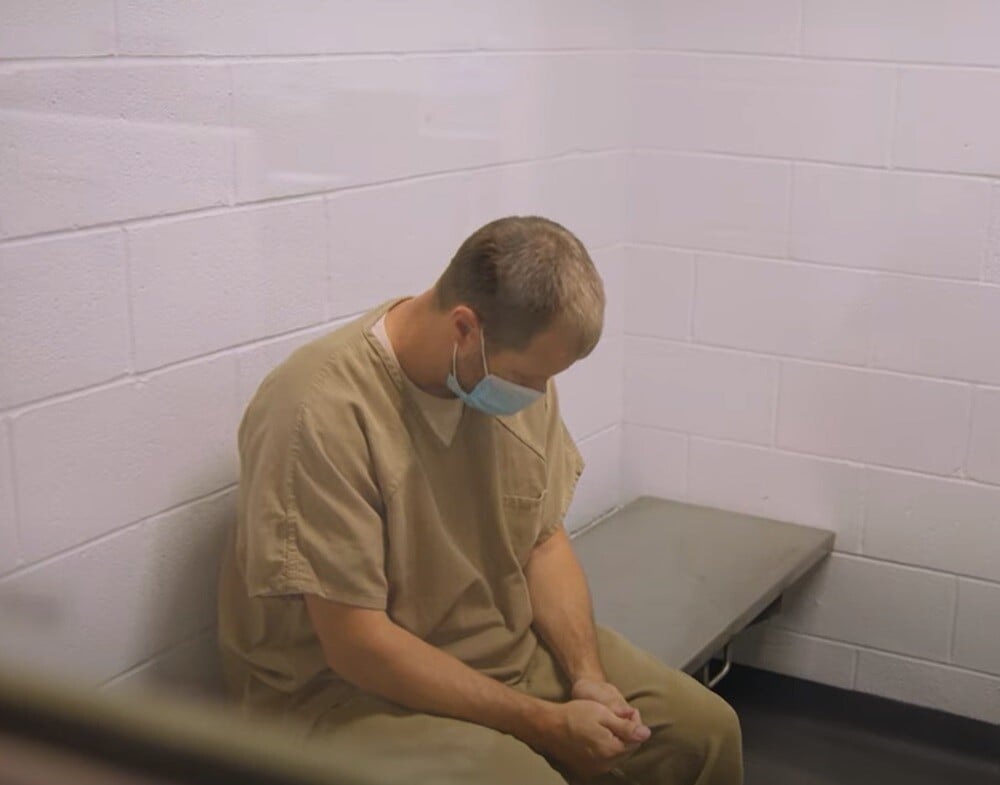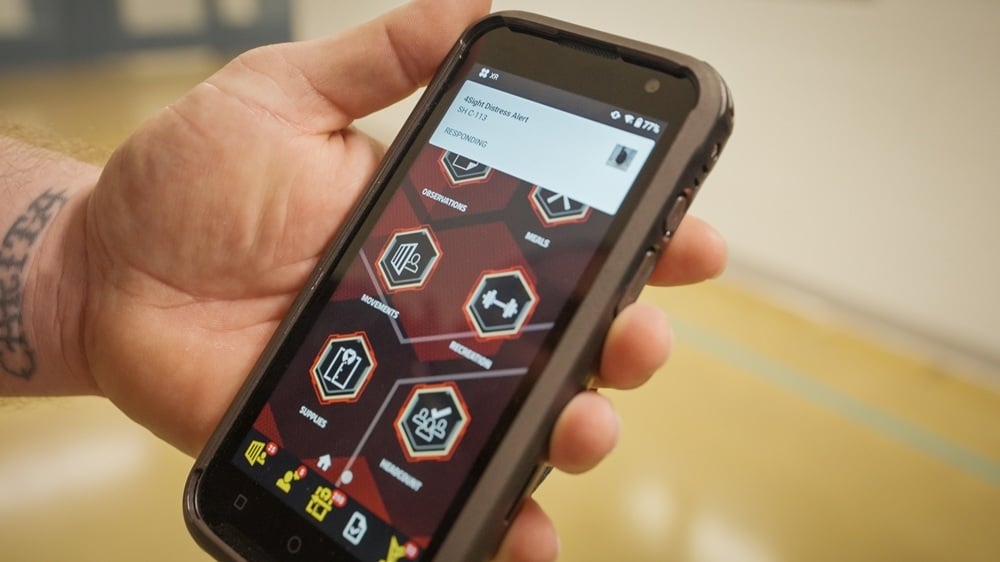
Most Americans never see it. Most policy debates ignore it. Most reporters completely overlook it.
Yet behind the intake desk of every American jail and prison sits one of the country's largest medical safety nets: correctional healthcare.
Simply put, correctional healthcare is the medical care provided to incarcerated individuals. Because it is the only healthcare in America guaranteed by the U.S. Constitution, it functions as one of the largest public health infrastructures in the nation.
Every year, the medical professionals on the front lines of this system screen, diagnose, and treat millions of patients—many of whom are receiving medical attention for the very first time in their lives. These professionals operate under a constitutional mandate that the public barely understands, let alone notices.
This blog reveals five important but often overlooked truths about correctional healthcare, challenging common perceptions of a system forgotten by the mainstream healthcare industry.
Truth #1: Correctional Healthcare is a Constitutional Right
Incarcerated individuals are the only group of people in America with a constitutional right to healthcare.
That right traces back to a 1976 Supreme Court case that quietly reshaped the entire correctional landscape: Estelle v. Gamble.
J.W. Gamble was a Texas inmate who injured his back while unloading a bale of cotton. Believing prison medical staff had repeatedly dismissed his pain, he filed a lawsuit arguing that the prison’s indifference violated the Eighth Amendment.
The Supreme Court agreed. The justices ruled that "deliberate indifference" to an inmate's serious medical needs constitutes cruel and unusual punishment. Their reasoning was clear: by stripping a person of their freedom and their ability to seek independent care, the government assumes a constitutional obligation to provide that care.
The ruling itself was narrow—centered on a single back injury for a single inmate. But its ripple effect was massive, triggering a permanent shift across the broader healthcare industry.
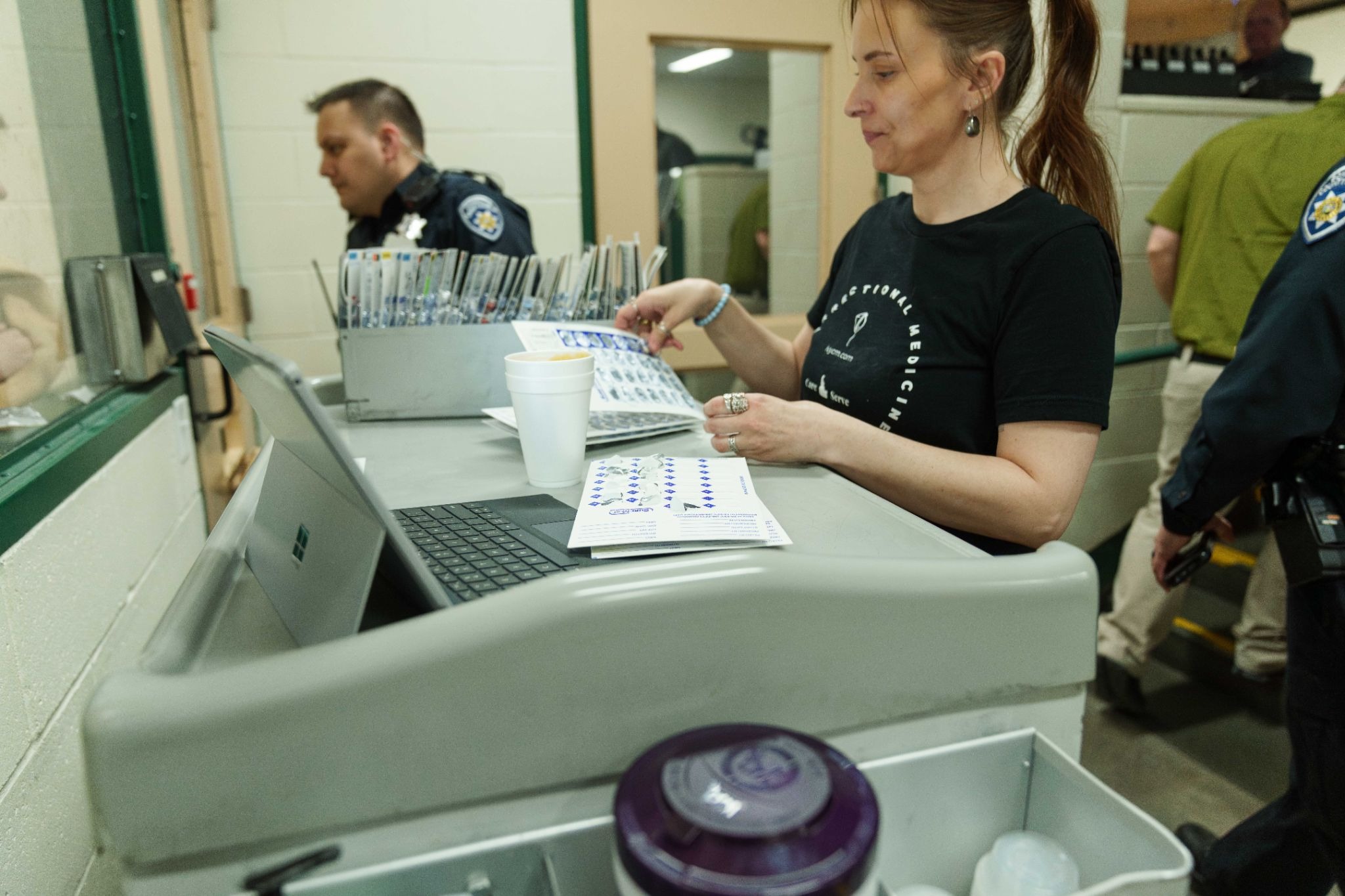
Today, every jail and prison in America functions as a healthcare provider. An entire ecosystem of medical standards, accreditation bodies, and compliance frameworks grew from that lone decision, and it continues to shape how every facility operates today.
Fact #2: The First 24 Hours After Booking Are the Most Critical
Most people assume that prisons are the most medically volatile environments in corrections, but the reality is exactly the opposite.
Prisons receive individuals after they have been processed by the courts, medically assessed, classified, and stabilized. Jails, conversely, intake people directly from the street. They arrive in the middle of acute crises, often with zero health history on file and no prior medical evaluation.
Because of this, the first 24 hours after booking are the most high-stakes moments in the entire system—and they can easily mean the difference between life and death. The most severe crises that surface during this window include:
- Alcohol and opioid withdrawal
- Undiagnosed or undisclosed mental health crises
- Diabetic emergencies
- Head trauma masked by substance intoxication
The data backs this up. According to the Bureau of Justice Statistics, the suicide rate in jails is nearly four times higher than in state prisons, with a significant portion of those tragedies occurring within the first 48 hours of booking. Furthermore, a report from the Vera Institute highlights that medical emergencies are disproportionately concentrated in this initial intake and classification phase.
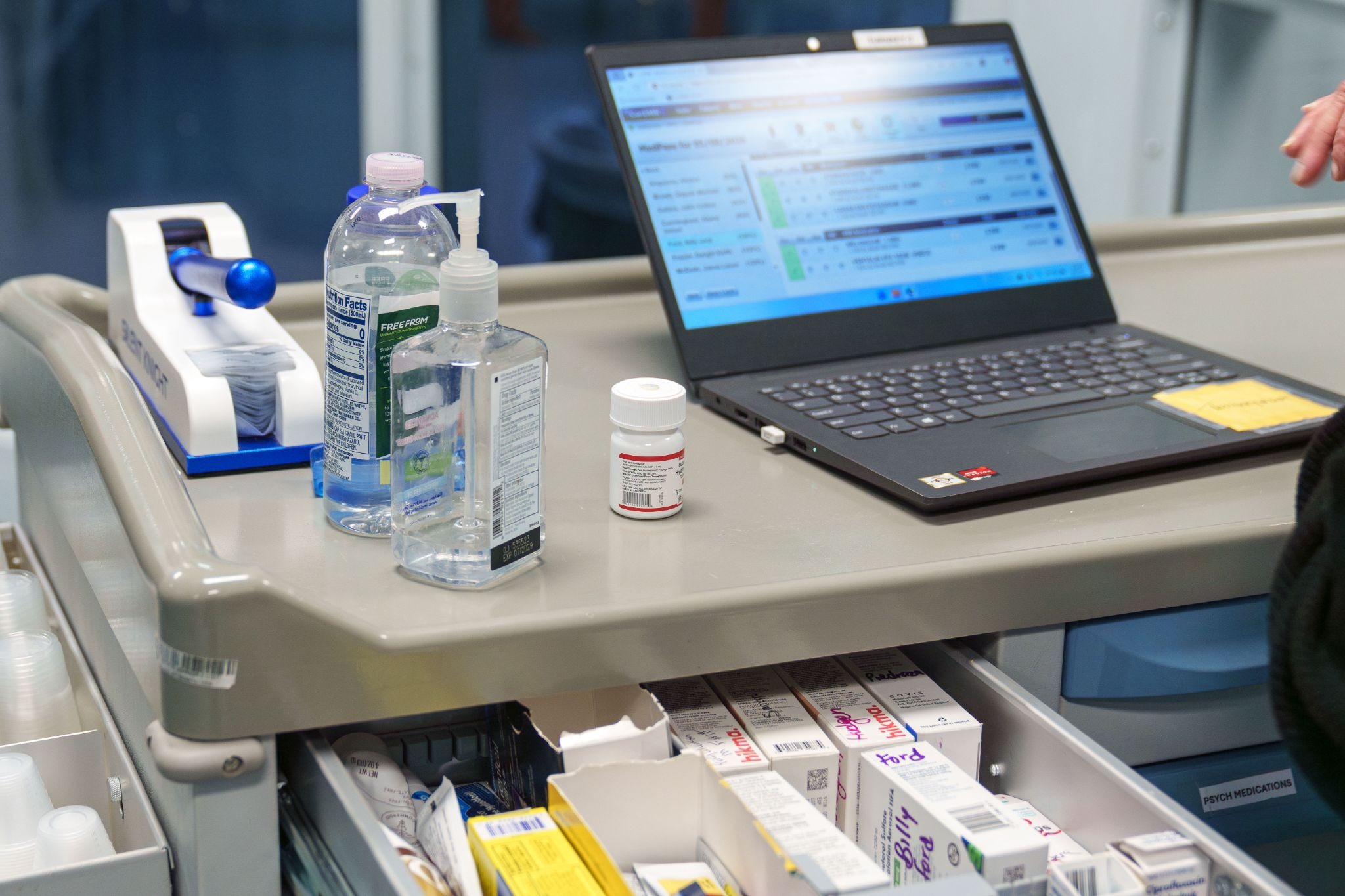
This is why intake screening isn't just an administrative checkbox; it is the single most critical medical intervention in the entire correctional healthcare process.
Fact #3: Correctional Nurses Carry One of the Heaviest Patient Loads
Correctional nurses manage some of the most overwhelming patient loads in American medicine, yet their grueling daily workload remains largely invisible to the outside world.
On any given shift, a single nurse in a mid-to-large county jail can be responsible for anywhere from 150 to 300 patients at once. To understand how staggering that is, you only have to look at the standard ratios across the rest of the healthcare industry:
|
Setting |
Recommended / Typical Ratio |
|---|---|
|
Hospital intensive care (American Nurses Association) |
1:2 |
|
Hospital medical-surgical (American Nurses Association) |
1:4 |
|
Mid-to-large county jail |
1:150 to 1:300 |
The challenge isn't just numerical; it is deeply logistical. In a traditional hospital, patients are stationary in beds, and the infrastructure is designed around them. In a jail, the nurse must go to the patient—navigating locked units, heavy security doors, and custody protocols along the way. Every routine medical assessment is a security exercise before it even becomes a clinical one.
Unsurprisingly, a study in the Journal of Correctional Health Care found that correctional nurses report some of the highest rates of moral distress and burnout in the entire nursing profession. These alarming levels of exhaustion are fueled by chronic understaffing, limited administrative support, and the emotional weight of caring for a population that mainstream medicine has largely abandoned.
“Correctional nursing is not for the faint of heart. You are a triage nurse, a primary care provider, a mental health counselor, and a patient advocate, all at once.”
— Lorry Schoenly, PhD, RN, correctional nursing author and educator
Fact #4: Rikers Island Changed How America Treats Hepatitis C
For decades, Hepatitis C lingered in a massive public health blind spot. Because the virus disproportionately affected incarcerated and marginalized populations, it was historically ignored by mainstream medicine.
Awareness lagged. Funding stalled. Life-saving treatment access lagged even further.
Then came Rikers Island.
New York City’s infamous jail complex became an unlikely catalyst for a national revolution in public health. When highly effective, direct-acting antiviral medications capable of completely curing Hepatitis C hit the market around 2013, correctional health advocates leveraged data from Rikers and similar facilities to mount a defense. They argued that the staggering concentration of Hepatitis C inside America's jails was not only a profound human rights failure, but a ticking public health time bomb for the communities these individuals would eventually return to.
The subsequent legal battles fought by incarcerated individuals demanding access to these breakthroughs set massive national precedents. These legal victories ultimately forced correctional systems—and, by extension, state Medicaid programs—to eliminate strict sobriety or disease-progression restrictions and cover the treatments.
The ripple effect extended far beyond the prison walls. By forcing a cure into the hands of an overlooked population, correctional health advocacy catalyzed a broader public health campaign that drastically lowered the cost of the drug and expanded treatment access for all Americans.
It stands as one of the clearest examples in history of correctional healthcare driving innovation and reshaping mainstream American medicine—not the other way around.
Fact #5: 40% of Inmates Learn About Their Own Health Conditions After Booking
Roughly 4 in 10 individuals in state correctional facilities live with at least one chronic health condition—and a striking number of them only learn about their illness after they are booked into custody.
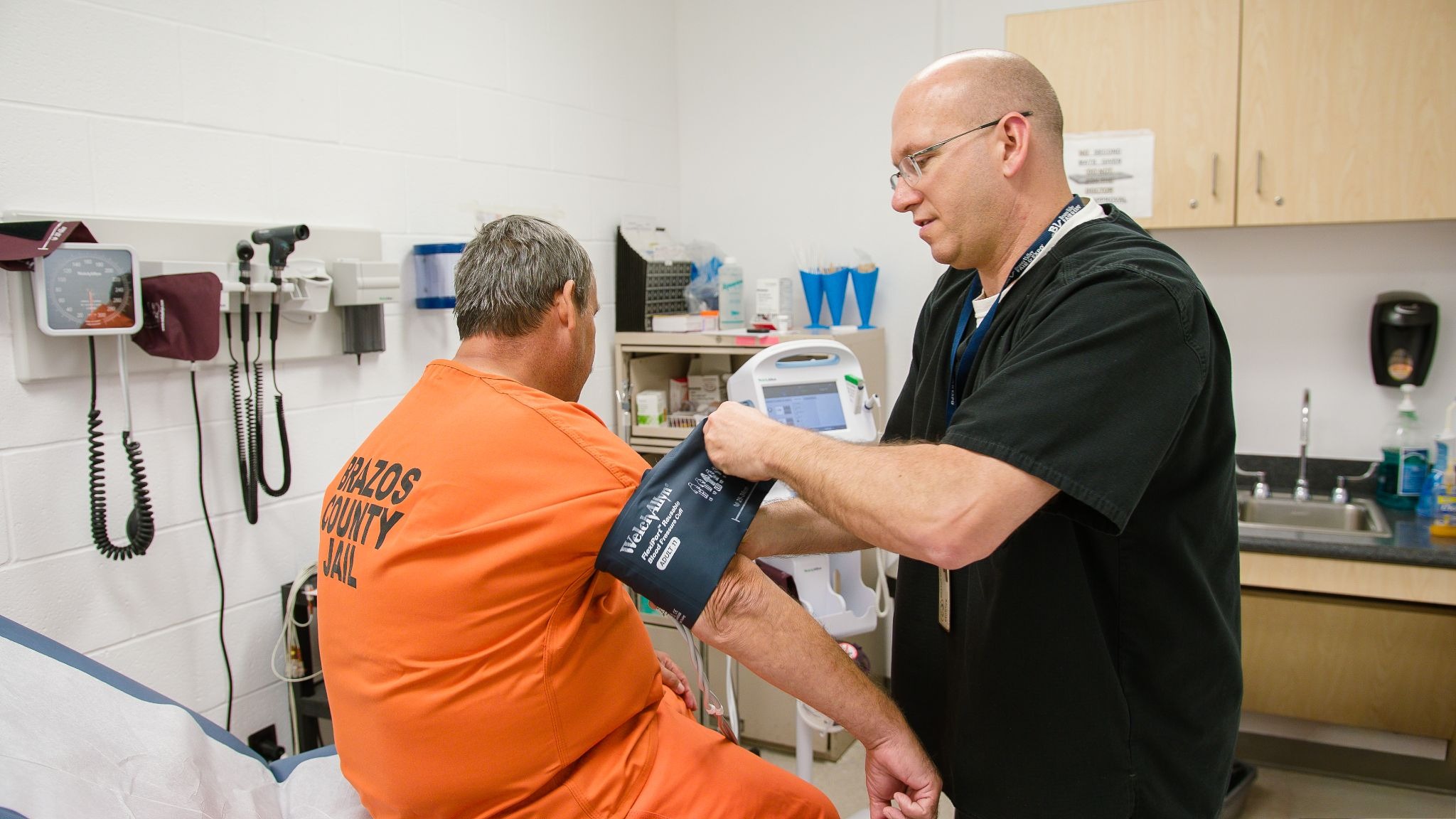
For a significant portion of the incarcerated population, the intake screening is the first time a clinician has ever taken their blood pressure, flagged an irregular heartbeat, or tested them for diabetes.
The reason is simple: a profound lack of community healthcare access prior to their arrest.
As a result, correctional facilities routinely identify and manage high volumes of chronic conditions, including:
- Hypertension
- Diabetes
- Asthma
- Heart disease
- Hepatitis C
Every single one of these conditions is highly manageable when caught early—yet every single one is potentially fatal when left ignored.
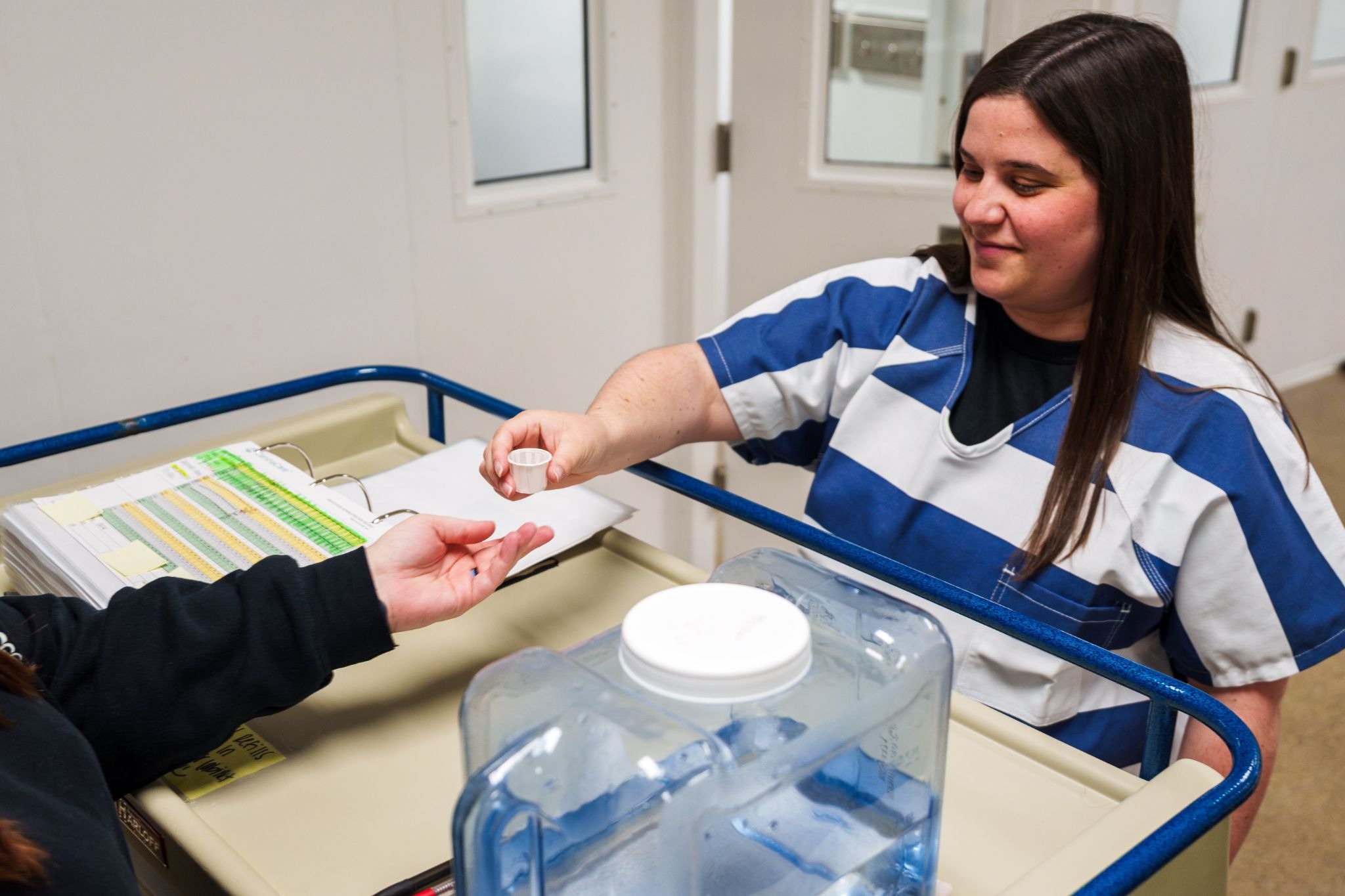
While the correctional system is fundamentally punitive, for many individuals, incarceration serves as the unexpected intervention that finally connects them to a clinical diagnosis and a treatment plan. Crucially, this continuity of care follows them back over the wall and into the community upon their release.
“The correctional system has inadvertently become one of the largest public health providers in the country.”
— Dr. Robert Greifinger, former Chief Medical Officer, New York State Department of Corrections
What These Five Truths Say About American Public Health
When you strip away the headlines, these five truths tell a single, undeniable story: the correctional system is not the periphery of American healthcare.
It is one of its load-bearing walls. It is a constitutionally mandated infrastructure. A highly volatile medical entry point.
A workforce operating under ratios that no traditional hospital would ever tolerate. It serves as a legal proving ground for life-saving treatments that the rest of the country eventually benefits from, and a diagnostic safety net for a population that mainstream medicine has failed to reach on the outside.
Forward-thinking agencies that recognize this reality plan their healthcare operations defensively and strategically. They schedule their staff differently. They capture and track clinical data with greater precision. Most importantly, they invest in modern tools and technology that actually match the immense weight of the work.
Conversely, the agencies that choose to ignore these truths often end up paying for it—not just in devastating public health outcomes, but in costly, systemic lawsuits.
Frequently Asked Questions About Correctional Healthcare
Who pays for correctional healthcare?
County jails are funded primarily by local property and sales taxes, while state prisons are funded through state budgets, and federal facilities are covered by the Federal Bureau of Prisons. By law, the Medicaid "Inmate Exclusion Policy" strips individuals of their coverage the moment they are booked. However, momentum is shifting: several states have recently secured federal waivers to reinstate Medicaid coverage during the critical 30-to-90-day window right before a person's release.
What does the intake screening process typically cover?
A standard intake screening is a rapid-fire clinical assessment. It covers a patient's immediate medical history, current prescriptions, acute mental health risks, substance use and withdrawal vulnerabilities, suicide risk, infectious disease exposure, pregnancy status, and basic vitals. These screenings are strictly guided by protocols from national credentialing bodies like the National Commission on Correctional Health Care (NCCHC).
Why is the nurse-to-inmate ratio so high in corrections?
The crisis comes down to chronic underfunding, severe nationwide nursing shortages, and a historical stigma that undervalues correctional medicine as a career path. Furthermore, many jurisdictions still operate on staffing models designed decades ago—long before the modern surge of severe mental health crises and complex chronic diseases entered the justice system.
How does correctional healthcare affect public health outside the walls?
The reality of incarceration is that the vast majority of individuals eventually return home. Diagnoses made in jail, treatment stabilized in prison, and robust continuity-of-care plans built prior to release directly dictate the health of the neighborhoods they return to. Put simply: when correctional healthcare fails, the public health system pays the bill.
What standards govern correctional healthcare?
The NCCHC and the American Correctional Association (ACA) publish the gold-standard peer-reviewed metrics for the industry. Facilities that volunteer for accreditation are rigorously audited against these extensive compliance frameworks on a multi-year cycle to ensure they are meeting their constitutional obligations.
Where to Go From Here
Correctional healthcare deserves the same clinical rigor, operational dignity, and modern technology as any other branch of American medicine.
To combat overwhelming patient loads and razor-thin margins for error, forward-thinking leaders across the nation are actively transforming their facilities. They are moving away from outdated, manual processes and adopting purpose-built technology, such as Medication Manager for Command Cloud.
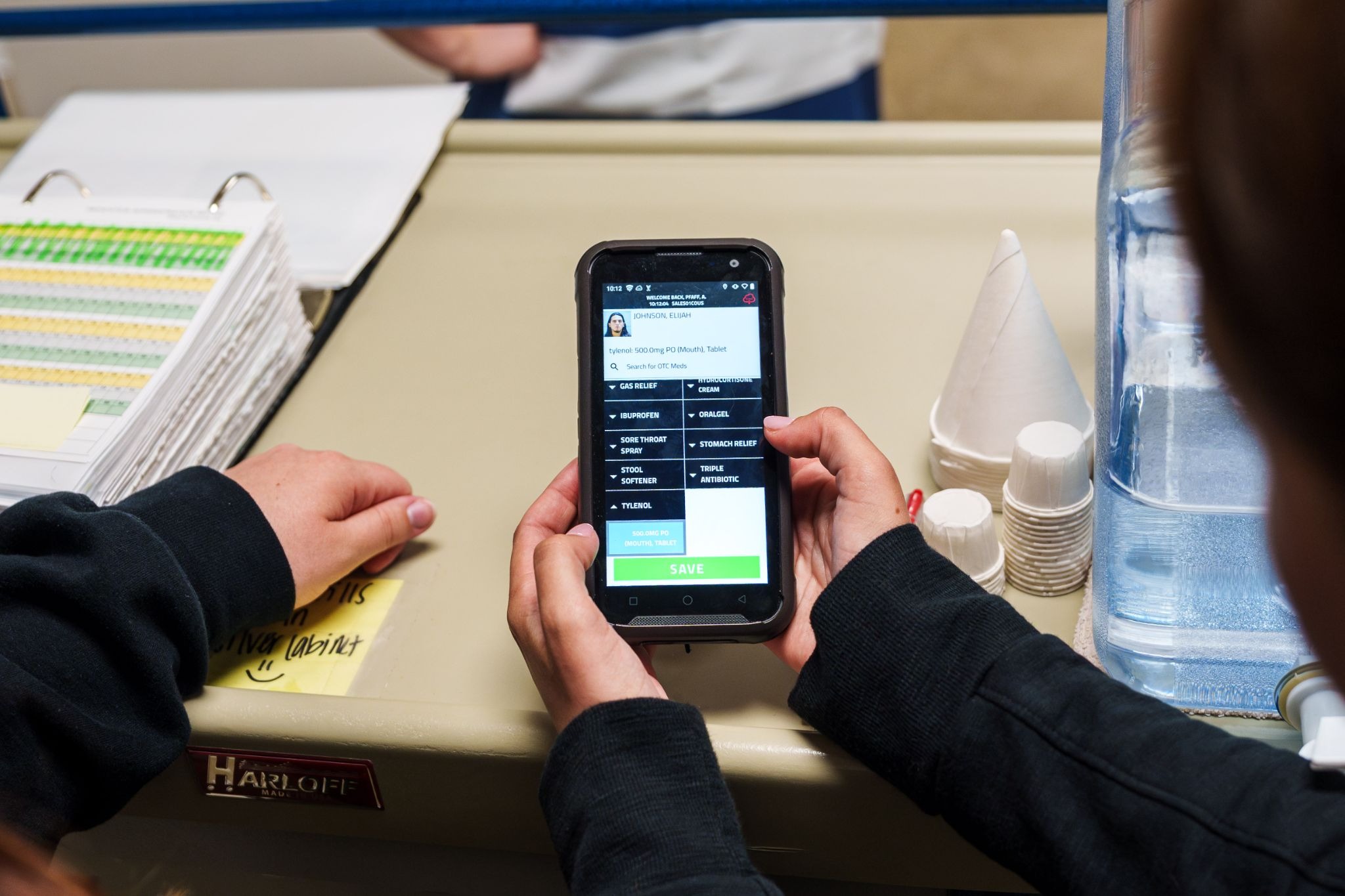
Designed specifically to handle the unique security and logistical hurdles of institutional healthcare, Medication Manager streamlines the entire medication lifecycle—ensuring that every dose is ordered, administered, and tracked with absolute precision, accountability, and compliance.
Medication Manager directly addresses the heavy burden placed on correctional nurses by introducing intuitive safeguards right where care happens:
- Real-Time Verification: Medications are verified and documented at the point of care, instantly confirming patient identity, dosage, and timing to eliminate errors.
- Integrated Diagnostics: The system allows staff to seamlessly capture and log vital signs directly alongside medication logs, ensuring comprehensive patient safety in a single workflow.
- Bulletproof Defensibility: Facility leadership can generate granular, automated reports to monitor compliance trends, streamline internal reviews, and confidently navigate external audits or legal inspections.
By treating both prescription and over-the-counter workflows with the highest level of clinical oversight, Medication Manager protects the health of the incarcerated population while dramatically reducing burnout and building a culture of defensibility for staff.
The weight of correctional healthcare is undeniable—but your team doesn't have to carry it with inadequate tools.
Ready to Modernize Your Facility's Clinical Workflow?
Download the Ultimate Guide to Medication Manager for Command Cloud to learn how you can reduce administrative burden, protect your staff, and elevate the standard of care in your facility.
CITATIONS:
Mumola, C. J. (2005). Suicide and homicide in state prisons and local jails. U.S. Department of Justice, Bureau of Justice Statistics. Cited by: 304
Vera Institute of Justice. (2016). Overlooked: Women and jails in an era of reform. Safety and Justice Challenge. Reports on the intake, classification, and medical vulnerabilities at the front door of jail incarceration.
Smith, S., Muse, M. V., & Phillips, J. M. (2021). Addressing moral distress in correctional nursing: A call to action. Journal of Correctional Health Care, 27(2), 75–80. Cited by: 16