In the high-pressure environment of a jail, "out of sight" often means "out of mind." While traditional software tracks inmate activities and movements, vital operational duties—such as maintenance reviews or empty cell checks—typically exist only on sticky notes or in the fading memory of a tired officer. This reliance on manual tracking creates a dangerous accountability gap and increases operational risk.
Task Management, an application of Command Cloud, helps correctional officers and supervisors stay on top of their tasks by allowing them to create, assign, organize, and track all tasks in a centralized location. By streamlining tasks related to both day-to-day responsibilities and broader operational duties, Task Management enhances accountability and ensures no task falls through the cracks.
Discover how to turn operational chaos into streamlined success. In this blog, we explore the three most common task-related challenges in correctional facilities and how Command Cloud Task Management provides the solution. It’s time to replace operational blind spots with total accountability and trade reactive management for a future of guaranteed compliance.
1. How Can My Team Track ALL Tasks?
Problem: Most jail management systems (JMS) focus exclusively on inmate activities such as headcounts or meal passes. This creates an "inmate-only" focus that ignores critical ad hoc duties—such as inspecting a sally port gate or replenishing inmate supplies. Because these tasks aren't inmate-related, they often go overlooked or are not thoroughly documented, leaving the facility vulnerable to operational failure and liability.
Solution: Task Management provides a hybrid tracking platform for all responsibilities. The Tasks module within Mobile Command XR, Command Cloud’s mobile inmate tracking software that operates on SPARTAN, supports ad-hoc responsibilities that fall outside routine inmate tasks. With a single glance at the Tasks module, staff gain a unified view of an overall Task List that displays three main categories:
|
Task Type |
Best Use Case |
|
Self-Assigned Tasks |
Quick reminders created by officers in the field. These are tasks created and assigned by the officer to themselves |
|
Single Tasks |
These are one-time tasks assigned to the officer or associated with the officer’s filtered location that need to be completed only once |
|
Scheduled Tasks |
These are recurring tasks assigned to the officer, assigned to no officer, or associated with their filtered location on a timed basis |
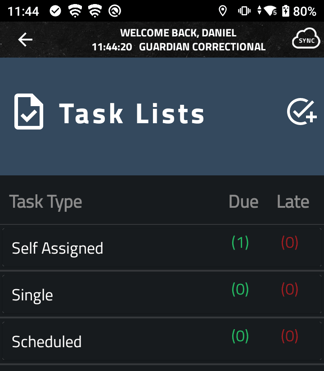
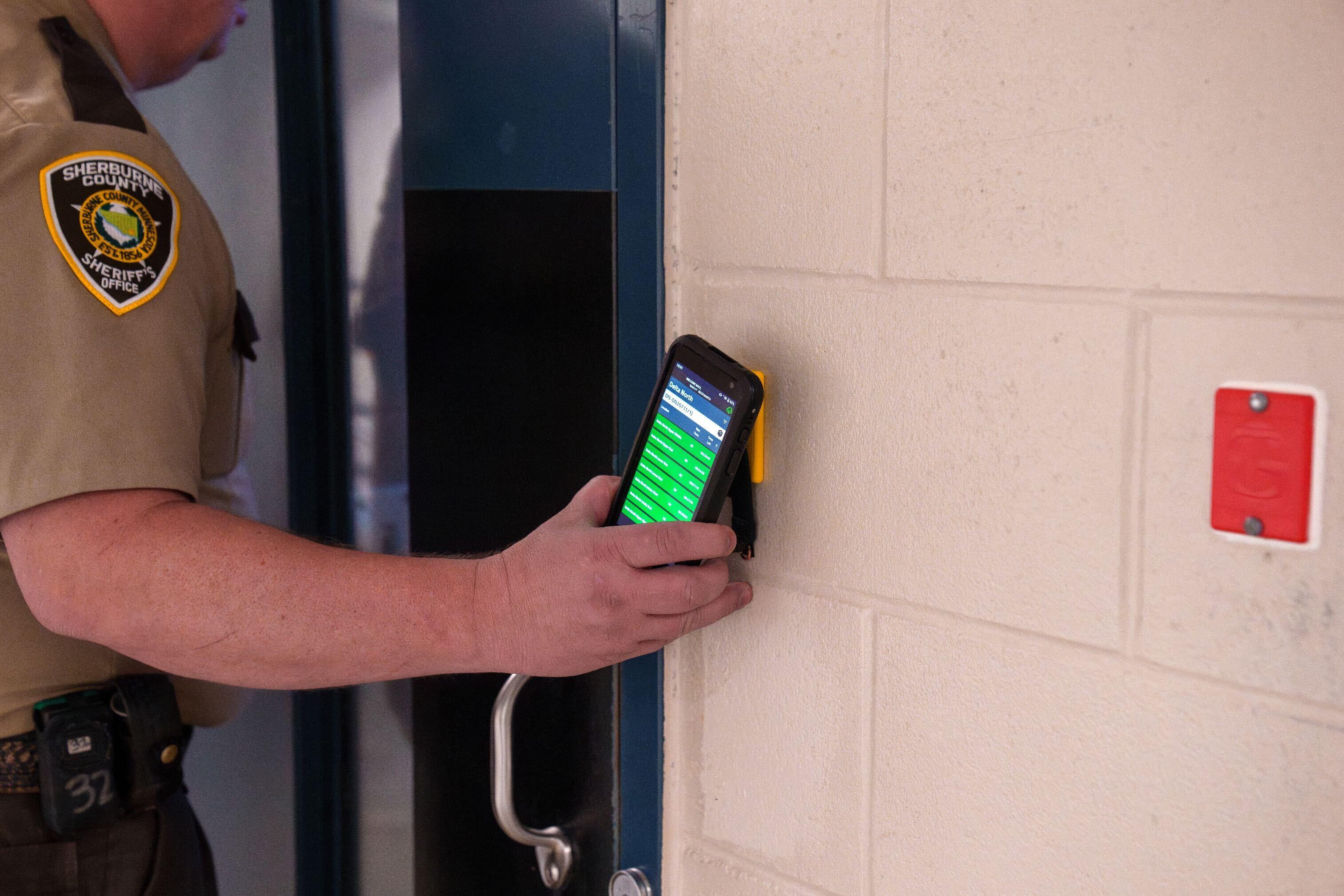
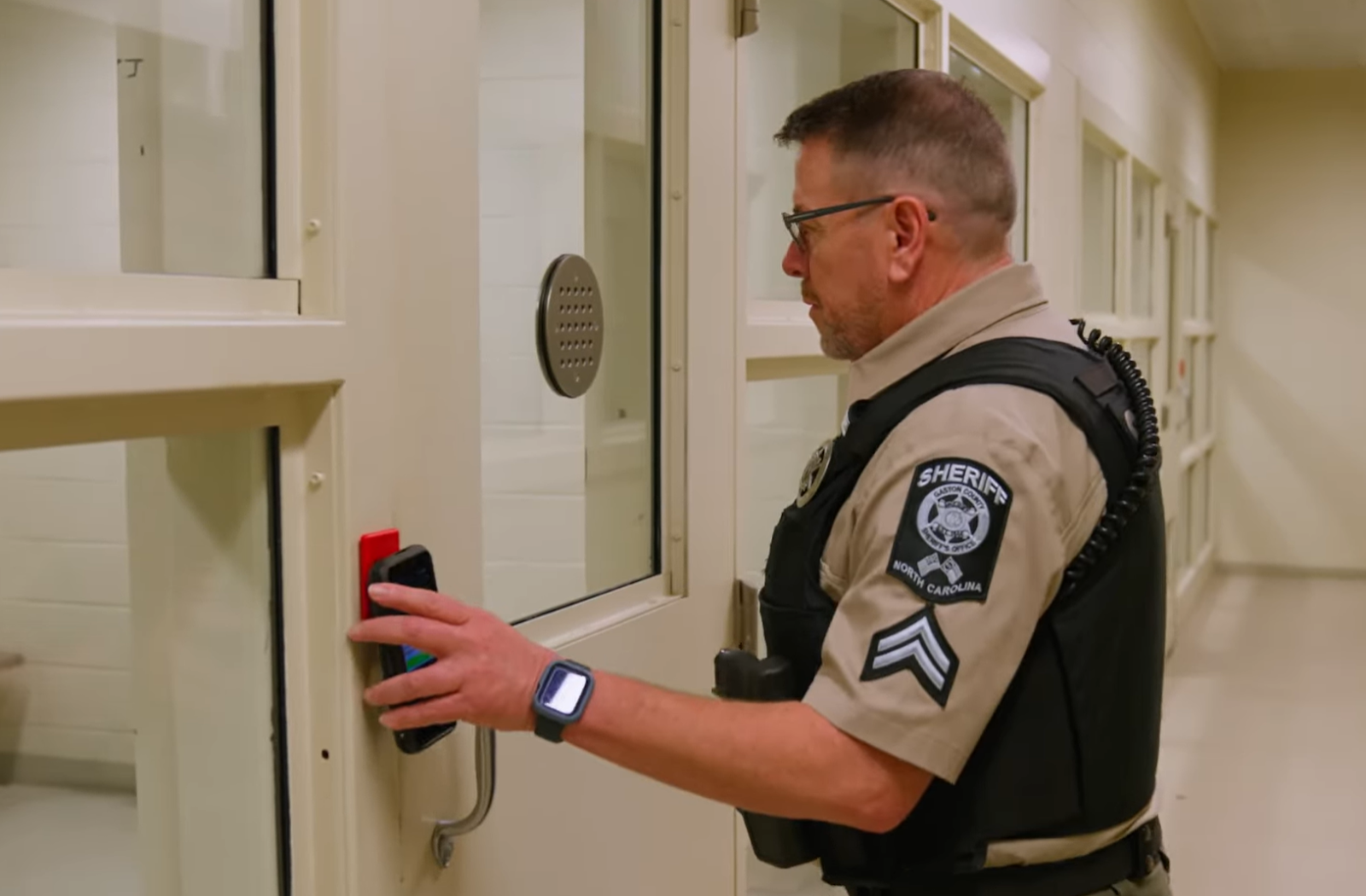
Being equipped with Mobile Command XR, officers can easily view all tasks, track what needs to be done, when it’s due, and how to complete it—all from the convenience of the device already in their hand. All tasks are organized, clear, and readily accessible at their fingertips.
2. Can Digital Documentation Close the Accountability Gap?
Problem: Without a digital trail, supervisors struggle to verify whether a task was actually completed. Relying on handwritten lists or verbal orders leads to a "pencil-whipping" culture, where tasks are checked off in bulk at the end of a shift, rather than being completed in real-time. This lack of oversight means a task isn't identified as "late" until it has already created a safety risk or a compliance gap.
Solution: Task Management enhances accountability through real-time status updates and a verifiable digital archive. When an officer completes a task using the Task module within Mobile Command XR, it syncs instantly to the Mission Command’s Task Management dashboard. Mission Command stores every completed task in an Archive tab with a precise timestamp and officer ID. Any task not completed by its deadline displays a bold red LATE button, giving supervisors immediate situational awareness to intervene.
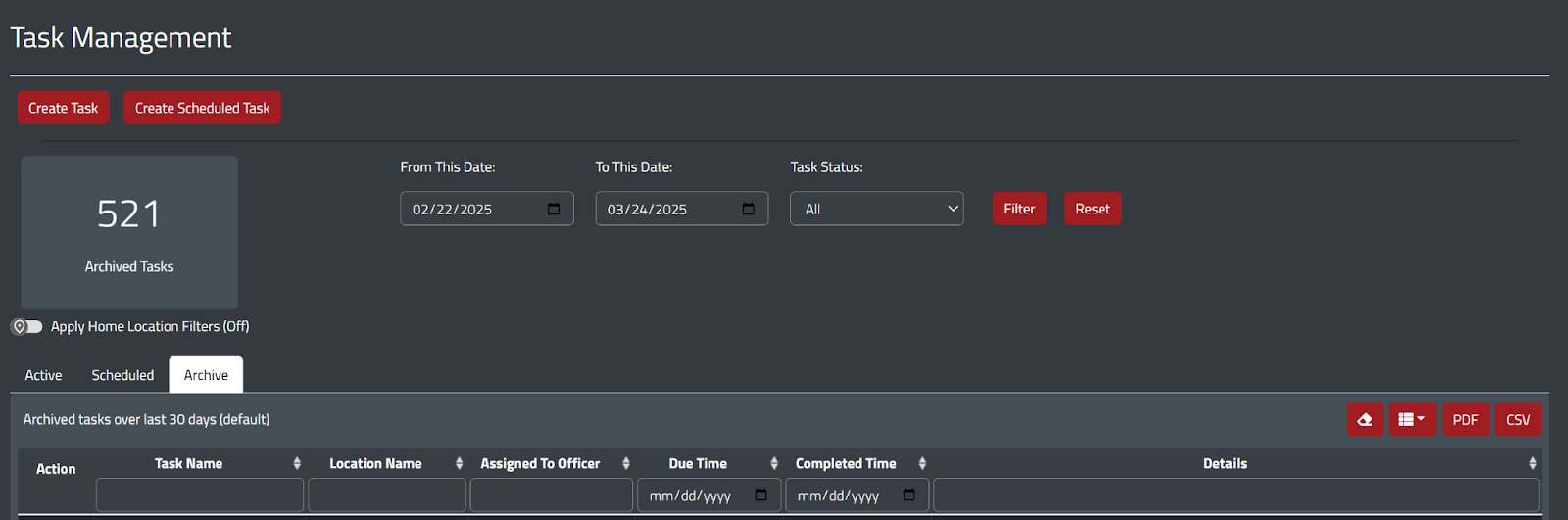
Closing this accountability gap does more than just satisfy a checklist; it creates a "gold standard" of operational safety. When every action is verified in real-time, it removes the ambiguity that often leads to negligence or missed rounds, ensuring that life-safety checks are actually performed rather than just recorded.
3. How Do You Stop Communication Breakdowns Between Shifts?
Problem: In many jails, task delegation typically relies on word of mouth or scribbled notes. These informal methods are prone to the "telephone effect," where details are lost or responsibility is misunderstood. When communication is informal, nobody is held accountable because the "who, what, and when" are never clearly defined in a system of record.
Solution: Task Management tools digitize delegation, taking the guesswork out of communication. When using Mission Command—the desktop application of Command Cloud that provides users with a common operating picture—to create tasks and assign specific officers or locations, the assignment appears instantly on the officer's Mobile Command XR screen via their SPARTAN. Every task includes priority levels (Normal, Important, Critical) and detailed descriptions to ensure the officer knows exactly what is expected of them.
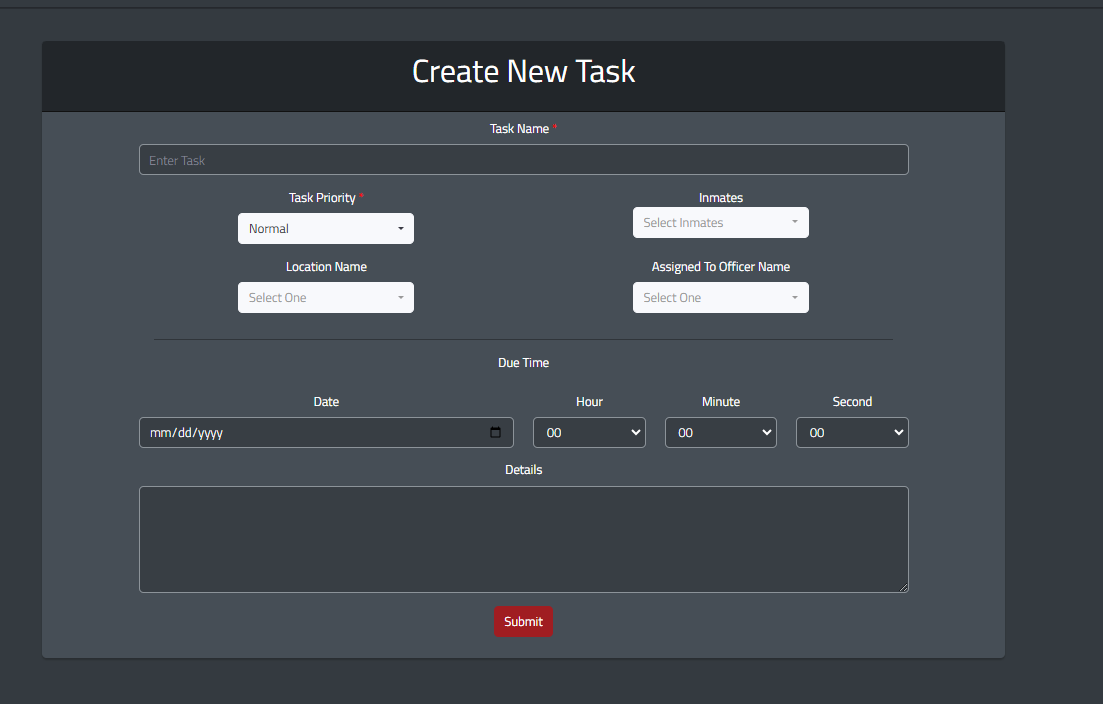
By establishing a single, digital source of truth, you remove the "gray areas." When every officer knows exactly what is expected of them and has the specific details to back it up, the risk of missed requests drops significantly. This clarity reduces staff stress and prevents the dangerous friction that arises from misunderstood orders, creating a safer environment for everyone within the facility.
Frequently Asked Questions
What is the Primary Benefit of Task Management?
It bridges the gap between inmate tracking and total operational oversight. By centralizing all duties—inmate-related or not—into a single platform, it ensures every responsibility is logged, assigned, and verified for maximum defensibility.
Does Task Management Support Recurring Facility Safety Checks?
Yes, supervisors can use Mission Command to schedule Recurring Tasks for daily, weekly, or monthly intervals. These tasks automatically populate on the assigned officer's Mobile Command XR device at the scheduled time, ensuring consistency in facility maintenance and safety protocols.
How Does Task Management Impact Officer Experience and Burnout?
By providing a clean and organized list of three clear categories—Single, Scheduled, and Self-Assigned—officers no longer have to hunt for information or worry about forgotten duties. This reduces the cognitive load and allows staff to focus on the environment in front of them.
Is Task Data Compliant With CJIS Standards?
Absolutely. All data captured within Command Cloud is deployed in AWS GovCloud (US). This ensures that your facility's operational data meets CJIS security policy compliance and is stored in a secure, audit-ready cloud environment.
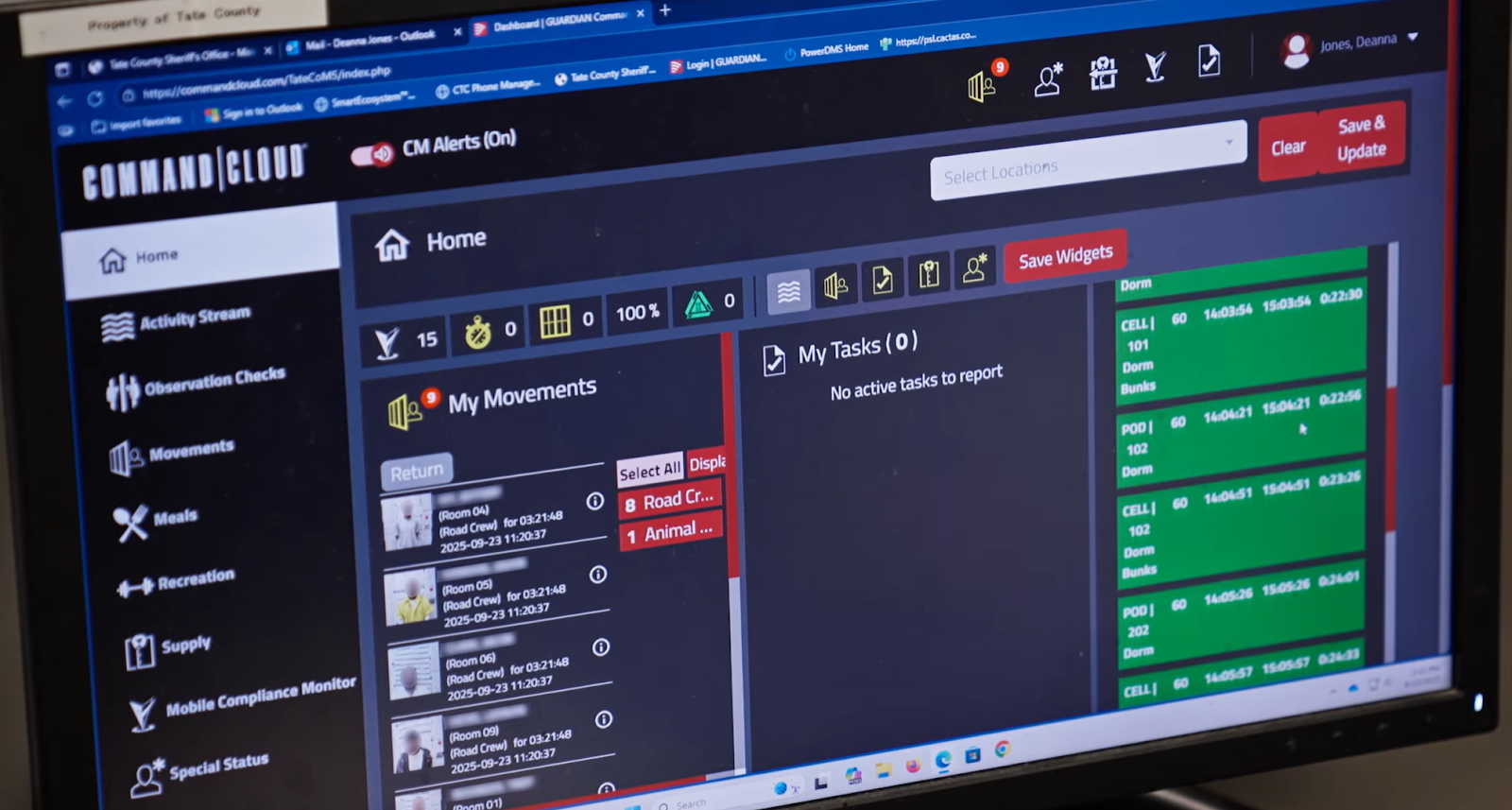
Managing a correctional facility is a balancing act of a thousand small details. The Task Management tools within Command Cloud provide the safety net that ensures those details are never missed. By integrating the Mission Command Dashboard with Mobile Command XR, agencies can finally bridge the communication gap between supervisors and floor staff.
It’s time to throw away the sticky notes and move toward a more accountable, organized, and professional facility. Are you ready to stop letting critical tasks fall through the cracks?
Request a personalized demo of Task Management